Happy Living
Are we all working towards happiness?
How do you get there?
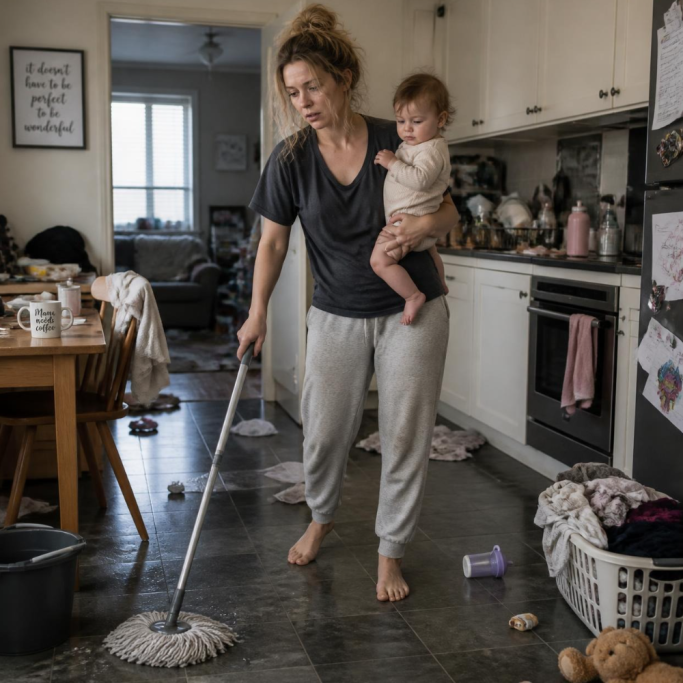
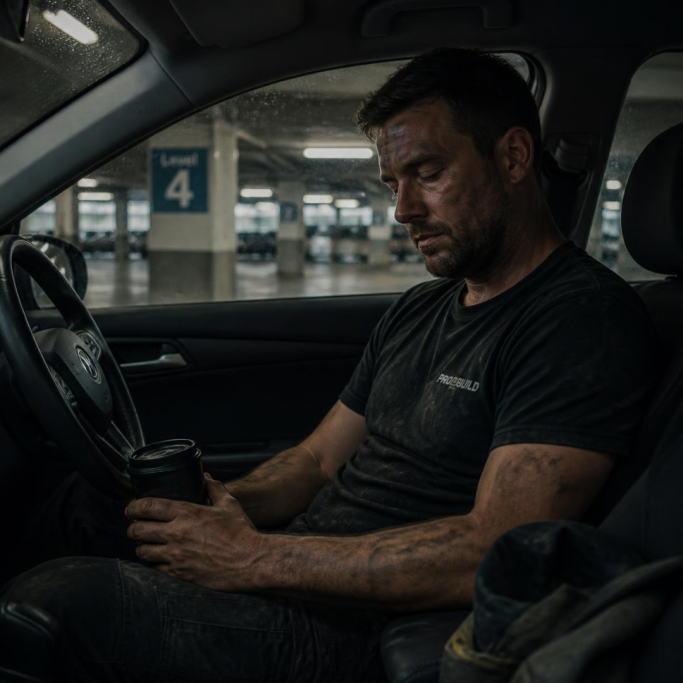
Asking the question, "Am I happy?" seems to be a difficult one!
Happy means different things to different people, whats important is that you regularly ask and answer that question of yourself. What does happiness look like for you?
Achieving wellness
According to a survey taken on the facebook group Murston Matters, of which 67 people took part, 86% said that they themselves, or someone they have in their life, struggle with mental health related issues and. Our borough Council declared a mental health crisis in Novemeber of 2025.
From the other perspective, many of the activities are financially out of reach, as regular activities for families.
Our approach not only addresses the mental health dilemma, but we put focus on how individuals can maintain a less stressfree lifestyle, and make the most of services that promote happy living.
The top three concerns for people in the UK are:
1) Money and the cost of Living
Our plan to have everything in one place and one monthly membership cost that will save you money
2) Physical and Mental health
Our plan combines physical activities and mental health support in a holistic way. The services we provide are led by you and we have already had lots of requests such as a remote control car club. Running clubs like this, sparks passion and enthusiasm. They encourage social interactions, new relationships and strong bonds within the community.
3) Work and Job Security.
We have to approach this subject in an acute way, and keep the focus on our area. Our aim is to improve the economy of Murston overall. We will be creating jobs locally and trying to remove as many barriers as possible to getting back to work. By taking the steps that we are, and supporting local businesses, we hope to bring more money to our local area.
Some of us are lucky and can rely on our neighbours to take in a parcel or would give you a call at work when they hear your fire alarm going off at home. Some of us aren't.
One of the most common things that we see impacts local neighbourhoods, is division. "I keep myself to myself", "my neighbour makes my life a misery", "They just don't care that I work nights and blast their music all day".
This is a problem that we have to look into, to find the answer for resolution. Why do people behave selfishly? Why do they have no consideration or empathy for people that they share a space with? Why do some people hold so much judgement?
We believe this happened over time following a series of events, gradually leading us to where we are today. Previously, a good 40 plus years back, communities needed familial support to survive or thrive. This meant that through tough times communites became stronger as they worked together.
As the years passed by, modern wealth and technology let people meet their needs without asking neighbors for help. Society became more self-focused.
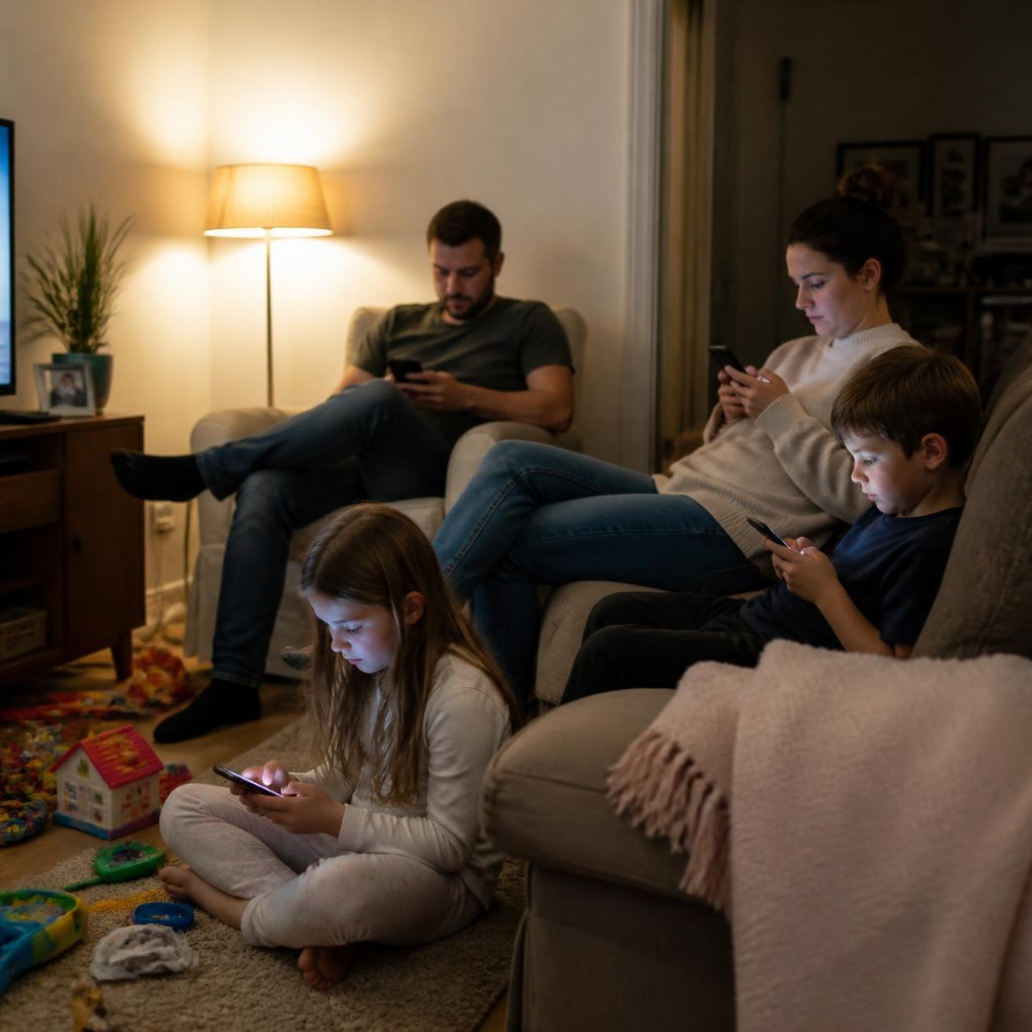
People used to interact daily on the street, at local shops, or at town events. Today, people spend more time isolated inside homes, commute by car, or work from home. This physical distance means neighbors know each other less, making it harder to relate to one another
The impact of Social media and news algorithms often prioritize content that makes people angry or scared because it gets more attention. This constant exposure can make people desensitized to real-world suffering. Online, it is also easier to mock or dismiss others because you cannot see their human reactions, hence the lack of empathy felt within neighbourhoods.
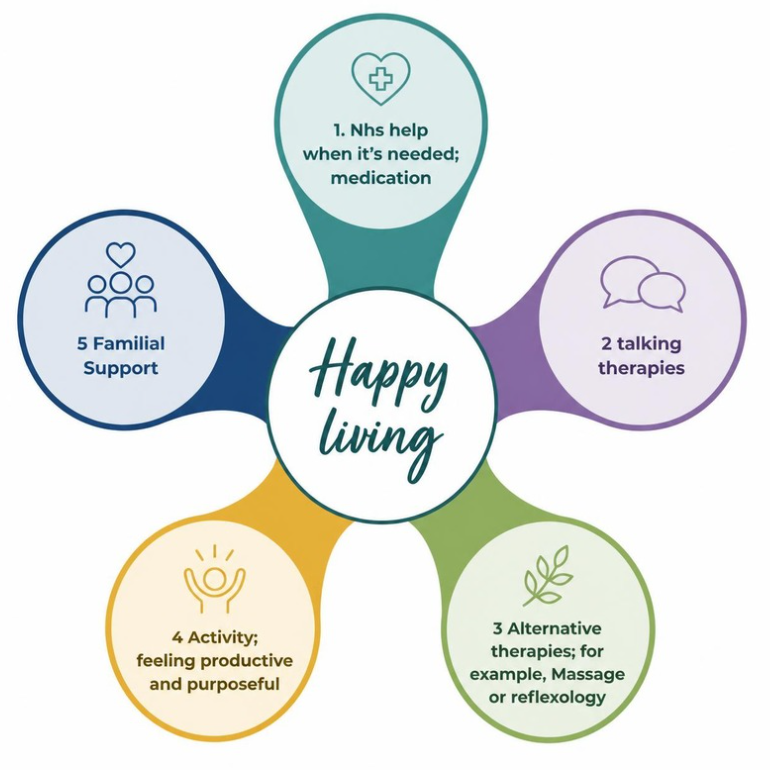
Finding the secret to happy living
The Elements
Number 1. NHS Help when needed. We know we are starting from a crisis point. Our plan is not going to replace the systems we already have in place, they are intended to work along side them and even take some pressure off the system itself in our locality. We will be providing talking therapies within our service, helping to get that waiting list down for those that need it most, but our main goal is to give residents access to a lifestyle that meets the needs of individuals, aiding prevention of mental health issues and move people out of "autopilot" and into happy living.
Number 2. Talking therapies that we provide will be done in a professional setting, by trained counsellors. We have partnered with local companies to provide services that cover mental health support for all ages and that can address different life experiences, from anxiety to trauma counselling.
Number 3. Alternative Therapies. Most of us are running at full speed and with so many things to manage, we can find it almost impossible to relax. Our dial is consistently at 11, which stresses our nervous system and can cause long term issues later on. There are lots of ways that we can relax and alternative therapies is an option that can be out of reach, financially for most people. Alternative therapies can be things like reflexology, massage, yoga or meditation. We have already started speaking to some local providers who are eager to start with us, but these services will be guided by you. what would you like to try?
Number 4. Activities. the fastest way for communities to recover from hard times. It's not just for the kids! Send the children to the youth group and have an evening for yourselves! Partners bonding, developing friendships with people who share your interests or maybe wanting to start a group activity that has not already been created and introduce people to a new hobby? This an absolutely invaluable contribution to healthy living. The social interactions experienced in these settings has a massive impact on residents. It is the glue that holds communities together and promotes a healthy minds. We are giving our area a reboot. Bringing back some of the values and practices that have been lost over the last few decades because when communities interact, they build trust, lowering the risks of mental health problems and some physical conditions like heart disease. Groups we already have in mind are gardening, artistic themed, gaming, upcycling, book club, running, sports and remote control cars. We will also look to run groups based on the popularity of the weekly workshops and the skills they introduce.
Number 5. Familial support . Us humans are Gregarious, meaning that we like being with others and naturally seek out being in a group. People need to be around other people to be happy and healthy. Social and economic factors have affected how communitys are structured. We find ourselves mostly isolated and without services that once brought us together. Our aim is to bring that meaningful connection back and provide those social activities that will bond us as a community. This will not only contribute to healthier and happier individuals, but it will also reintroduce social skills that can be lacking in certain demographics. We all need different levels of connection and making social events available to all, leaves the power with each person, to get involved as much or as little as needed.
Creating a formula
Using the key points above, in any order or combination. Using them all, or just one, we believe will have a positive impact on our area, by meeting the different needs of individuals and supporting the community with Happy living.
Finding a way to be able to provide this to the community in a way that will also give relief to the financial stresses we face everyday...
Well, that's why this Matters.
There for all.
Resident Assistance
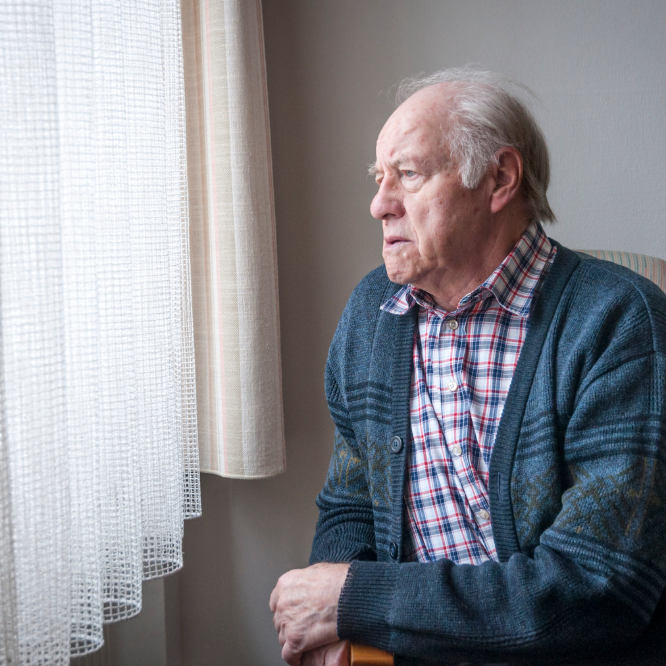
A lot of people think of "Care in the community", as spending time with people who are elderly or are lonely. The reality is it's hard working carers zipping from home to home, taking care of only essential needs, getting in and out as fast as possible. We believe this isn't because the carers don't care, but because the industry isn't working the way most would like it to.
Our resident assistance program tries to fill that gap. We propose to have carers who visit residents regularly and help complete the little jobs that are important them, to relieve stress (like emptying bins or running the vacuum round), and spend some time meaningfully interacting with the person.
How the time is spent is entirely up to them, allowing relationships to build and loneliness to be tackled head on.